
Angira Therapeutics
Developing a First-in-Class, Non-VEGF, Disease-Selective Anti-Angiogenic Therapy for Treatment-Resistant nAMD and Related Retinal Disorders
A Fannin-Established Company
About Us
Angira Therapeutics is a Fannin-founded biotechnology company based in Houston, Texas, dedicated to developing first-in-class, non-VEGF therapeutics for retinal diseases driven by pathological angiogenesis. Our lead program targets Secretogranin III (SCG3), a disease-restricted angiogenic factor centrally involved in pathological vascular growth.
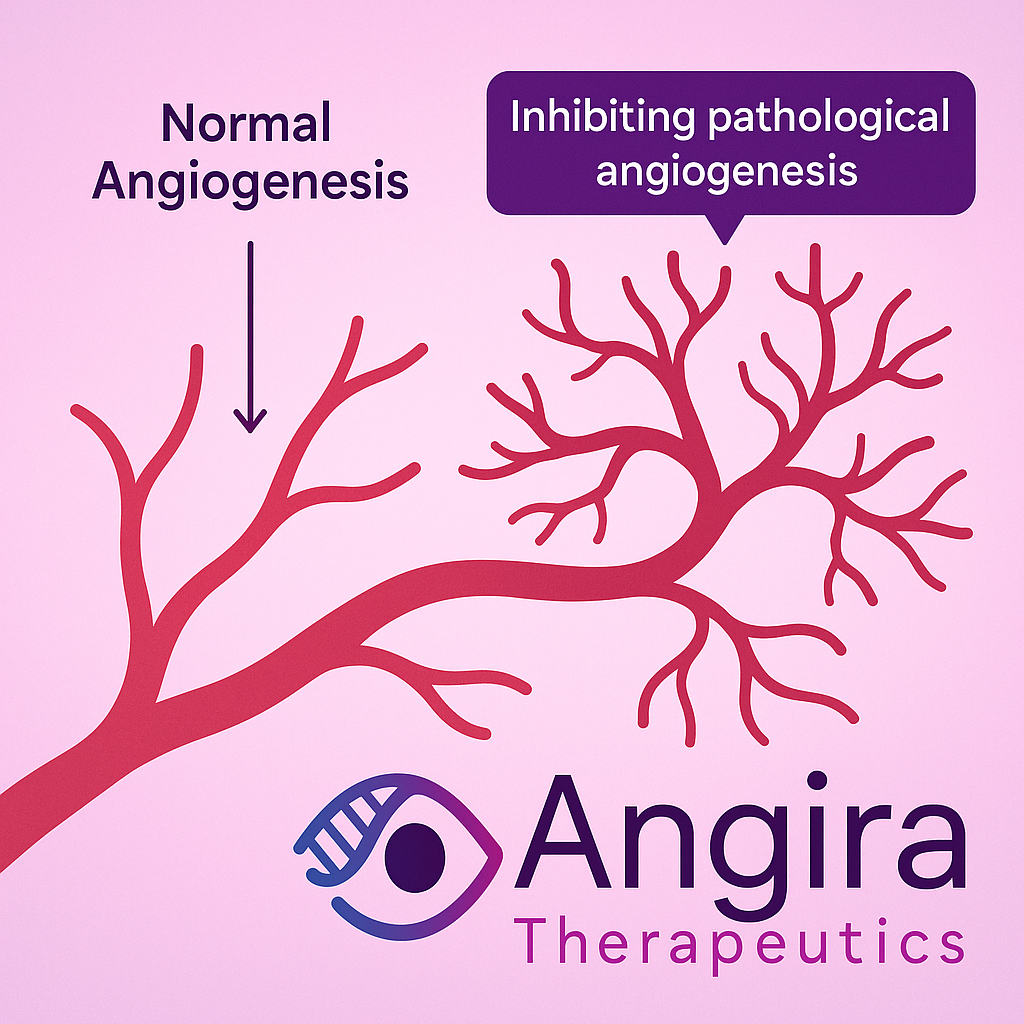
SCG3 plays a central role in multiple neovascular eye diseases—including wet age-related macular degeneration (AMD), retinopathy of prematurity (ROP), and diabetic retinopathy (DR). By developing highly selective Raptamer™ therapeutics—chemically enhanced DNA aptamers with picomolar affinity—we aim to provide a VEGF-independent treatment modality that overcomes key limitations of current anti-VEGF therapies, including resistance, non-response, and safety concerns in developing eyes.
A Transformative Opportunity in Retinal Disease
Angira’s lead Raptamer therapeutic targeting SCG3 is designed to deliver:
✔ A mechanism tailored for anti-VEGF–refractory wet AMD patients
✔ A safer alternative in developing retinas (ROP)
✔ A biologically selective therapy for diabetic retinopathy
✔ A scalable, cost-efficient therapeutic class with global accessibility

Innovation
Our Raptamer™ platform targets Secretogranin III (SCG3), creating a first-in-class therapeutic approach built to overcome the limitations of current therapies.

Raptamers: A New Frontier in Precision Therapeutics
Raptamers are an emerging hybrid class of molecules that bridge the strengths of biologics and small molecules. They are proprietary, chemically modified DNA aptamers featuring amino-acid–like side chains that significantly enhance target engagement and address the historic limitations of traditional aptamers.


Raptamers offer a unique combination of advantages:
Antibody-like affinity (picomolar binding)
Modular pharmacokinetics similar to small molecules
Lower immunogenicity than biologics
Fully synthetic, scalable, and cost-efficient manufacturing
SCG3: A Disease-Selective Angiogenic Target
SCG3 (Secretogranin III) represents a first-in-class target for retinal vascular disease. Unlike VEGF, which is essential for normal vascular homeostasis, SCG3 appears to be specifically upregulated in pathological angiogenesis, and not required for physiological vascular development.